“Everything you need to know about what’s been discussed, how episodes are structured, and where to start listening”
Let’s be honest: searching for a “full episode list” of a podcast that drops weekly, spans several years, and has expanded into a nine-show network is a bit like trying to drink from a firehose.
There isn’t one tidy spreadsheet that covers every Geekzilla Podcast episode ever recorded — and if you find one claiming to, treat it with a healthy dose of skepticism.
If you’re a new listener or a returning one who’s lost track of what’s been covered, this is the guide you were looking for.
Why There’s No Single “Complete” Episode List?
Before we get into the meat of it, a word on why that complete numbered list doesn’t exist in any clean form.
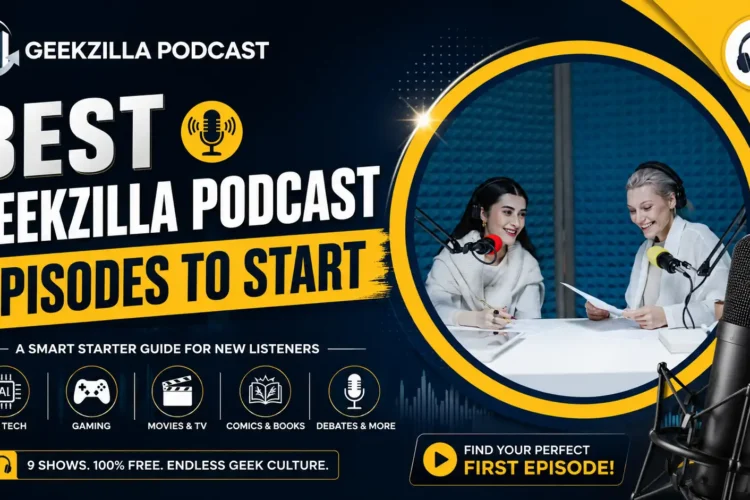
The Geekzilla Podcast is not a single show — it’s a full audio network running nine distinct programs, each targeting a different audience and topic area.
When most people search “Geekzilla Podcast episodes,” they’re thinking of the main flagship program. But even that show has been running long enough, and has covered enough ground, that a straight episode-by-episode rundown would be less useful than a topic-by-topic breakdown.
What’s far more practical — and what actually helps you decide what to listen to — is understanding the categories, the formats, and the show’s rhythm. So that’s what we’re going to cover.
Seven Content Pillars: What Geekzilla Actually Talks About?
The flagship Geekzilla Podcast doesn’t just pick random topics each week. The content spans seven primary topic areas, carefully designed for diverse listener interests, structured to balance breaking news, deep dives, tutorials, and live coverage.
Here’s how each pillar plays out in practice.
1. Technology and Hardware
This is the backbone of the show. It’s where Geekzilla started, and it’s where a significant chunk of its credibility comes from.
One host covers hardware specs and AI developments in detail, and the technical depth here goes well beyond surface-level gadget news. You’ll hear discussions about what new processor architectures actually mean for performance, why a particular smartphone’s camera system works the way it does, how AI developments ripple out into everyday tools — the kind of context that turns a product announcement into something you actually understand.
Over the years, the show has built a reputation for accurately forecasting trends, including cloud gaming’s rise, the NFT-in-gaming wave before it peaked, AI voiceovers in animation, and VR integration in indie gaming. That track record is part of why tech listeners keep coming back — it’s not just news, it’s interpretation.
What to expect from a technology episode: the hosts don’t repeat the press release. They ask what this means, who benefits, what’s being oversold, and what actually matters.
2. Gaming — Big Budget and Indie Equally
Gaming is the second major content pillar, and it gets treated with genuine depth.
The hosts cover PC gaming, consoles like the PlayStation and Xbox, and mobile gaming. They cover the latest game launches, emerging industry speculation, and the business strategies shaping the gaming market. If there is a major gaming convention happening, you can bet they will have a full episode dedicated to it.
The technical side gets real attention too. They look at frame rates, resolutions, and ray tracing — helping listeners understand the hardware that powers their favorite experiences.
But here’s what separates Geekzilla’s gaming coverage from a lot of the podcast field: the show covers big-budget releases and indie titles equally, giving smaller studios fair attention. In a podcast world where attention often goes only to blockbuster hits, that broader perspective makes a real difference.
Some of the most talked-about Geekzilla Podcast episodes came straight from fan suggestions — including a full episode on classic gaming consoles that was sparked entirely by audience requests on Twitter. That responsiveness to what listeners actually want to discuss has made the gaming segments feel like a conversation rather than a broadcast.
3. Movies, TV, and Cinematic Universes
This is where the show reaches listeners who might not identify as hardcore tech people but absolutely have opinions about the last three MCU entries.
The second host tracks entertainment — Marvel films, indie streaming originals, and comic book arcs. The approach is analytical without being academic. They’ll talk about why a specific adaptation worked or didn’t, how a character arc landed differently than the source material, and what the commercial performance of a film actually tells us about where studios are heading.
When diving into major topics like reviewing a hot new film, a spoiler-filled discussion of a season finale, or a retrospective on a classic video game franchise, the hosts dedicate significant time to the central theme.
One of the most appreciated elements here is how the three hosts’ different specialties layer. A new superhero series doesn’t just get “good or bad” — it gets the lore expert’s take on how faithfully the source material was handled, the critic’s view on pacing, and the tech host’s analysis of the visual effects work. That multi-angle approach is part of what keeps entertainment episodes from feeling shallow.
4. Comic Books and Graphic Storytelling
Comics don’t get the same mainstream media coverage they deserve given how foundational they are to almost every piece of major entertainment now. Geekzilla plugs that gap.
The podcast is a stage where the geek psyche is dissected and celebrated, open about venturing into the wild depths of speculative fiction or revisiting the golden age of arcades. Comic book episodes go deep into storylines, character arcs, publishing history, and the ongoing tension between creator intent and adaptation necessity.
One standout discussion format is the comic book adaptation breakdown — exploring how various films and series have brought beloved characters to life, what worked, what didn’t, and why certain adaptations resonate with fans while others fall flat.
These episodes tend to draw heavy listener engagement, because comic fandom is passionate and opinionated in exactly the right way for a podcast format.
5. Artificial Intelligence and Emerging Tech
This category has grown significantly as AI has moved from niche interest to mainstream conversation. Geekzilla was covering it seriously before most general-interest shows even understood what was happening.
One of the most-discussed Geekzilla Podcast episodes in recent memory was a detailed conversation on artificial intelligence and its effect on careers — a topic that hit close to home for a lot of the show’s audience. The hosts didn’t just summarize the news cycle; they worked through the implications, the counterarguments, and what it actually meant for people working in tech-adjacent fields.
Emerging tech coverage also includes quantum computing discussions, VR development, and the intersection of AI with creative industries — animation, game development, and music production among them.
6. Pop Culture, Nostalgia, and Fandom
This is the connective tissue of the show. Not every episode needs to be about a specific product or franchise — sometimes the most interesting conversations are about the culture surrounding these things.
Geekzilla redefines geek culture for the modern era, turning it from a niche identity into a powerful force in digital influence. Episodes in this lane explore fandom dynamics, convention culture, cosplay, collector communities, and the social dimension of being someone who cares deeply about this stuff.
Pop culture serves as a common thread that connects fans across the geek community. While someone might not be interested in PC parts, they likely have an opinion on the latest Star Wars movie. Geekzilla Podcast uses pop culture to reach a broader audience without losing the depth that specialist listeners expect.
7. Social Media, Digital Life, and Tech Culture
The seventh pillar is the broadest and perhaps the most timely. Social media’s impact on society gets significant airtime — episodes often delve into issues such as privacy concerns, online interaction dynamics, and how digital platforms shape behavior and culture.
These episodes tend to be the ones that generate the most listener responses, because they hit closest to daily life. Questions about platform algorithms, data privacy, creator economy dynamics, and how online communities form and collapse — this is ground that Geekzilla covers with more nuance than most.
Episode Formats: Not Every Episode Sounds the Same
One thing new listeners quickly notice is that Geekzilla doesn’t just do one type of episode on repeat. The show offers a wide variety of episode formats designed to keep listeners informed, entertained, and engaged. Here’s the breakdown.
News Roundups
News roundups are fast-paced weekly updates — summaries of breakthroughs in gadgets, VR, AI, and streaming platforms. These are the episodes to start with if you’ve been off the grid for a couple of weeks and need to catch up without committing to an hour-long deep dive.
Deep Dive Episodes
Deep dive episodes are the opposite: extended, focused conversations on a single topic. These typically run toward the longer end of the 45-70 minute range. Deep dives and tutorials follow structured outlines to maintain clarity and engagement, which means even when the subject is complex, the episode doesn’t feel like it’s spiraling.
Expert Interviews
Expert interviews bring in outside voices. Engineers, filmmakers, actors, and popular streamers have appeared as guests, and these episodes often include behind-the-scenes stories and industry perspectives that you genuinely can’t get from a press release or a review. The show’s guest selection philosophy — favouring knowledgeable but underrated voices over the same circuit of famous names — makes these conversations particularly fresh.
Review Episodes
Review episodes cover gadgets, games, and software with honest takes. The hosts test products firsthand and are willing to name flaws directly. For a category where a lot of podcasts function as barely-disguised advertising, that directness is noticeable.
Panel Discussions
Panel discussions put multiple perspectives in conversation with each other. These are group discussions on trending topics and debates — structured enough to stay focused, informal enough to let genuine disagreement surface.
Listener Q&A and Fan Segments
Listener Q&A and fan segments close out many episodes. Fan Q&A sessions engage the audience directly through voicemails, emails, and social media questions. These are often the most surprising parts of an episode — the questions listeners ask are sometimes better than the ones the hosts would have come up with themselves.
Special Event Episodes
Special event episodes drop around major cultural moments — conventions, significant product launches, franchise milestones. New episodes are typically released weekly, with bonus episodes during major pop culture events.
Nine Programs Inside the Geekzilla Network
For listeners who’ve moved beyond the flagship show and want to find the corner of the network that fits them best, here’s the map.
1. The Battle of Nerds
It is a debate-format tech and gaming podcast where guests argue opposing sides of a technology topic — think structured rounds with opening arguments, rebuttals, and closing statements. Listeners vote on the winner through polls and social media. It works if you enjoy opinion-led content with actual stakes.
2. The Geekiverse Podcast
It keeps the topic secret until the episode drops — one week it might be AI tools, the next could be how gaming intersects with mental health research. The mystery format keeps engagement high week to week in a way that announced topics can’t quite match.
3. The Daily Bytes
It is short, fast, and daily. Every episode dives into the hottest topics across tech, gaming, movies, sports, and health. If you are new to the network and want a low-commitment starting point, this is the one to try first. Episodes don’t require context from previous installments.
4. FitGeek Frequency
It is specifically built for people who are into both fitness and geek culture — a combination that gets underserved in most podcasts. Topics include fitness gadgets, gamified workout apps, and how esports athletes manage physical health.
5. Need for Speed
It covers the automotive world — electric vehicles, autonomous driving, car modifications, classic muscle cars. Each episode picks a specific lane of automotive culture rather than trying to cover everything.
6. The Big Screen Stunt
It focuses on movies and TV — particularly action, superhero, and sci-fi content — delivering reviews and deep dives into blockbuster films.
7. The Bookworm Bar
It analyzes fantasy, sci-fi, and thriller literature. For listeners who came to geek culture through books rather than games or film, this is the corner of the network that feels most like home.
8. Game On
It delivers sports commentary, tactics, and game analysis. It’s the most traditional sports-format show on the network, but wrapped in a production style consistent with everything else Geekzilla does.
9. Retro Rewinds
It celebrates the best of the past by examining how technology is breathing new life into retro culture. Each weekly episode takes listeners on a journey through iconic retro games, classic movies, old-school cars, and legendary music — from gaming milestones like Pac-Man and The Legend of Zelda to the timeless charm of muscle cars, blending nostalgia with modern innovation.
Episode Structure That Makes It All Work
Part of why it’s easy to drop into any episode and not feel disoriented is that the show follows a reliable format, even when the topic changes completely week to week.
Each episode begins with the hosts sharing recent geeky finds, purchases, and personal favorites. This immediately establishes the friendly, conversational tone. From there, the main topic deep-dive is the heart of the episode. The news roundup segment covers the week’s most intriguing geek culture headlines. And listener interaction closes things out.
This structure is smart for a couple of reasons. The opening banter gives returning listeners the sense of continuity — you’re checking in with people you know, not just tuning into a radio program. The main topic gets the bulk of the time. The news roundup keeps every episode connected to the present moment even when the deep-dive is retrospective. And the listener segment closes with the community’s actual questions rather than a scripted outro.
Its consistent format makes the show easy to follow, while regularly updated topics keep the content relevant, dynamic, and entertaining. It’s the podcast equivalent of a good restaurant: the menu changes, but you trust the kitchen.
How Episodes Actually Get Made?
This is worth knowing if you’re evaluating whether the show is genuinely produced or just recorded on a whim.
Each episode follows a professional production workflow. Hosts and producers select trending topics in technology, gaming, movies, pop culture, and automotive tech. Fact-checking ensures accuracy and credibility before recording begins. Some episodes are loosely scripted for casual conversations, while deep dives and tutorials follow structured outlines to maintain clarity. Audio engineers then refine clarity, remove background noise, and add transitions. Music and sound effects are included selectively for an immersive experience. Metadata, timestamps, and show notes are optimized for search and discovery.
That last point — show notes and timestamps — is underrated. For a show with a growing archive, being able to jump to the specific segment of an episode that covers what you care about is genuinely useful. Geekzilla does this consistently.
The production team now consists of skilled hosts, audio professionals, and social media experts working together to enhance the show’s quality. It’s not a solo operation anymore. The audio quality holds up to comparison with shows from operations significantly larger than this one.
What Listener Feedback Actually Says?
Taking a moment to explore audience reactions to individual episodes can reveal insights that aren’t always evident from the content alone.
Audience feedback highlights the podcast’s engaging format and insightful discussions. Many fans appreciate how the show dives deep into niche topics, making complex ideas accessible. Reviews often mention the chemistry between hosts, which adds a lively dynamic to every episode. Listeners often feel like part of the conversation instead of simply listening from the sidelines.
Some of the most talked-about Geekzilla Podcast episodes came straight from fan suggestions, demonstrating how much audience interaction shapes the show’s direction.
Listeners love the honesty and directness of the hosts on sensitive topics. The hosts present facts and figures first, followed by personal statements — a deliberate approach to avoid reactionary takes and stay grounded even on contentious subjects.
The most consistent praise, cutting across different platforms and different listener demographics, is about that quality of genuine interest. The hosts aren’t performing enthusiasm for a topic they don’t care about. That sounds like a low bar, but in a podcast landscape where a lot of content is produced to a formula, it’s rarer than it should be.
Bottom Line on Finding the Right Episodes
Here’s what it comes down to: Geekzilla Podcast episodes don’t need to be consumed in order, don’t require any prior knowledge, and are free on every major platform. The challenge isn’t access — it’s navigation.
The practical answer is to pick your strongest interest, find an episode covering it, and see how the hosts handle something you know well. If they teach you something new, or frame something familiar in a way you hadn’t considered, that’s your signal that the back catalog is worth digging into.
Whether you want to find your next favorite game or understand the latest AI trends, the show has it covered. The hosts bring a level of passion and honesty that is rare in modern media, and they make the world of geek culture feel welcoming to everyone — veterans and newcomers alike.
The episodes are there. The structure is clear. Now it’s just about finding your entry point.
“New Geekzilla Podcast episodes release weekly, typically on Thursdays, across Spotify, Apple Podcasts, Google Podcasts, Amazon Music, Audible, YouTube Music, and the official website. All content is free to stream. The archive continues to grow — for the most current episode listings, checking the official platform directly will always give you the most accurate information.”
Read More : What Is Geekzilla Podcast? The Complete Guide You Need to Read